
Workflows
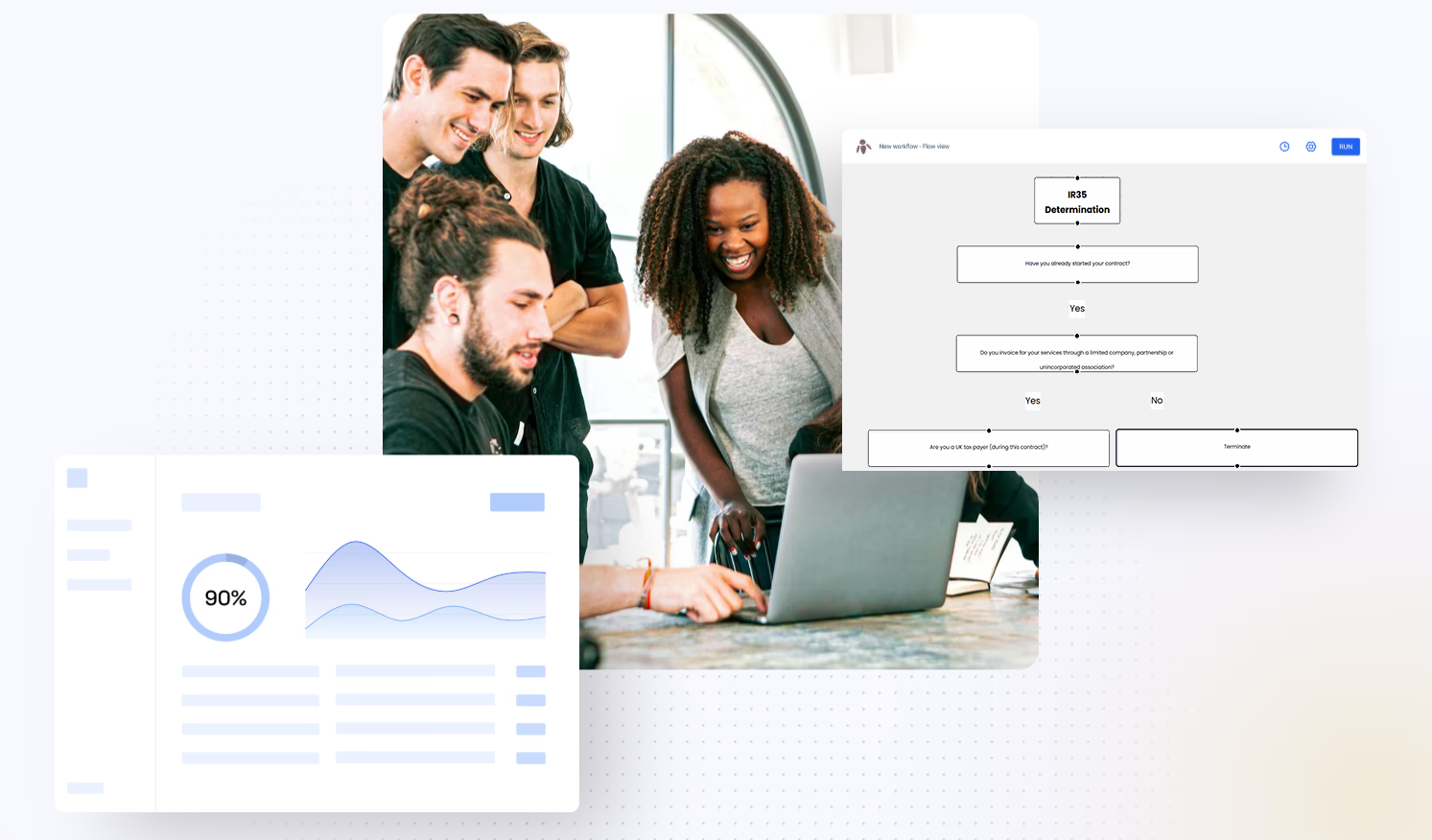
Workflows are automated sequences of steps like forms, rules, PDFs, and emails. Each workflow is customizable and tied to a specific brand. They can include logic, API calls, and conditional branching.
Workflows are versioned for audit and rollback.Steps are stored in structured tables with execution logs.Workflows can be scheduled or triggered manually.
Client-specific executions are tracked and logged. Workflows reduce manual effort and ensure consistency. They support collaboration and modular design.

AI generated workflows
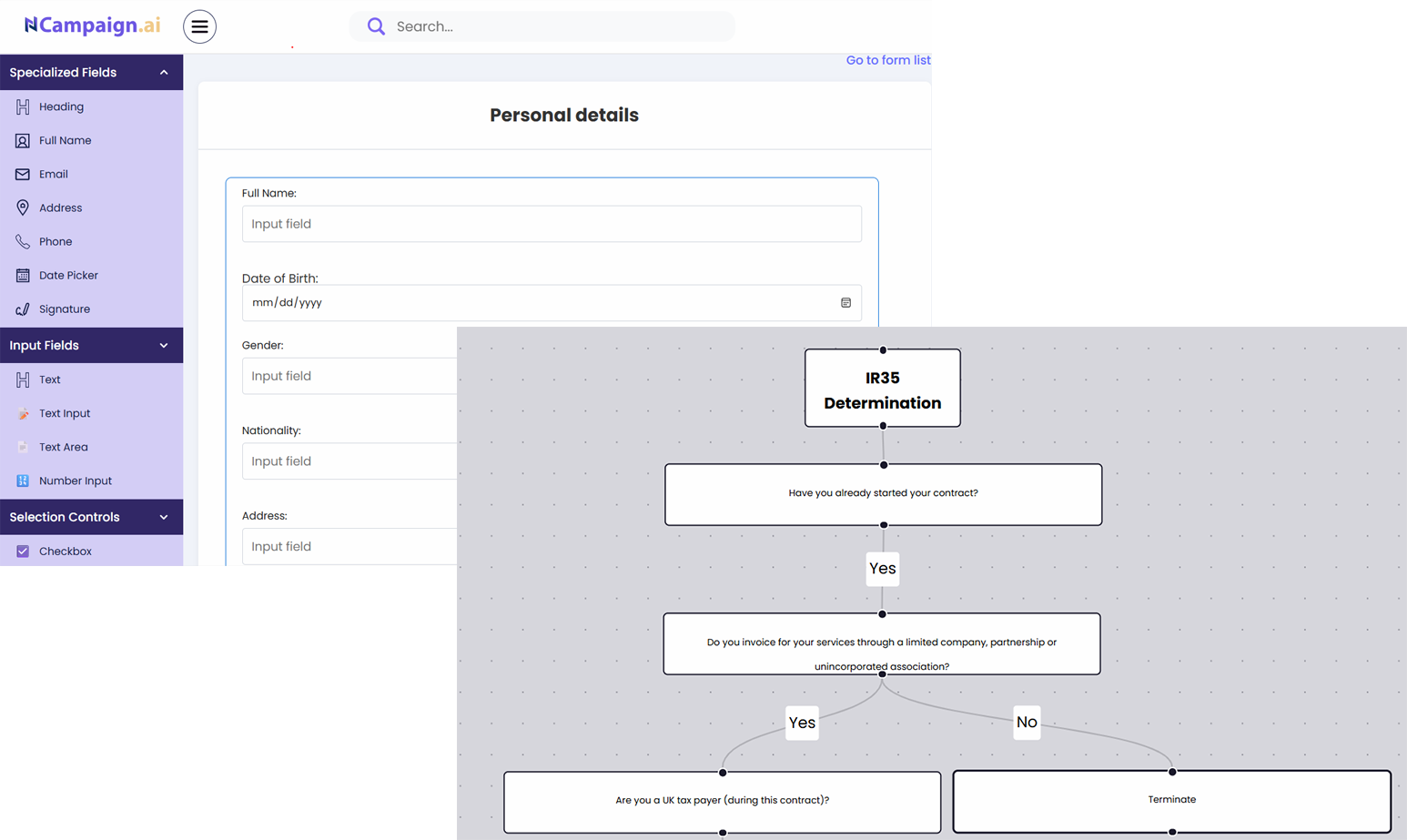
AI-generated workflows are automatically created based on data provided. They use existing workflows, rules, and client data as input. The AI suggests optimal sequences to reduce manual configuration.
They accelerate setup time and improve efficiency. Useful for common processes like onboarding or surveys. Can adapt based on user input or history.
Helps non-technical users build complex flows easily. Supports future integration with workflow designer UI. Improves accuracy and reduces errors in workflow setup. Ideal for scaling across brands and use cases.
Rules and AI Rules
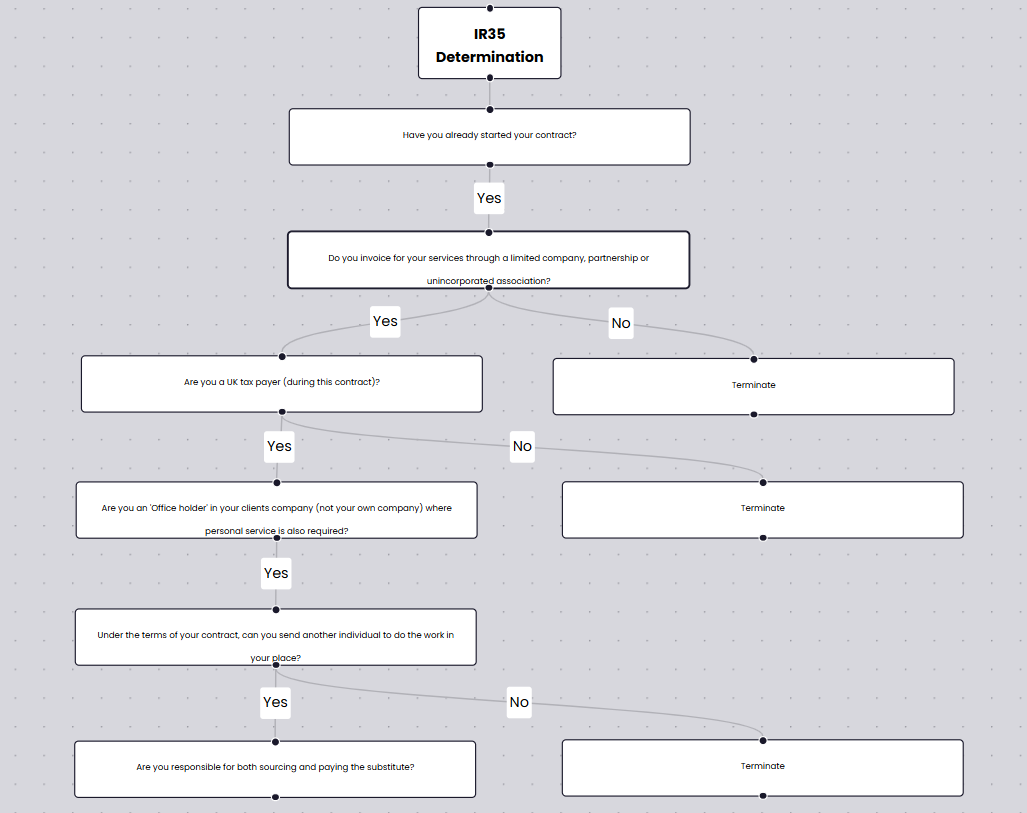
Rules are logic-based flows that guide workflow behavior. They ask questions and determine next steps based on answers. Stored with versioning for change tracking and auditing.
Used to personalize workflows dynamically. AI Rules can suggest logic paths as per the client response. They reduce manual setup and improve decision-making.
Rule answers are stored per client for analysis. Key to conditional logic in onboarding and screening. Allow workflows to adapt in real time. Enable smarter, personalized automation across brands.
Digital Forms and AI Forms
Digital forms are data-driven and fully customizable. Used to collect structured client data in workflows. Each form is versioned and grouped under form sets.
Stored responses are linked to client records. AI Forms can auto-generate based on client context. They reduce setup time and improve relevance.
Forms can trigger rules or be used in PDF generation. Support reusability across workflows and brands. Clients fill forms via assigned links or portals. Forms enable dynamic, user-driven data collection.
Reporting
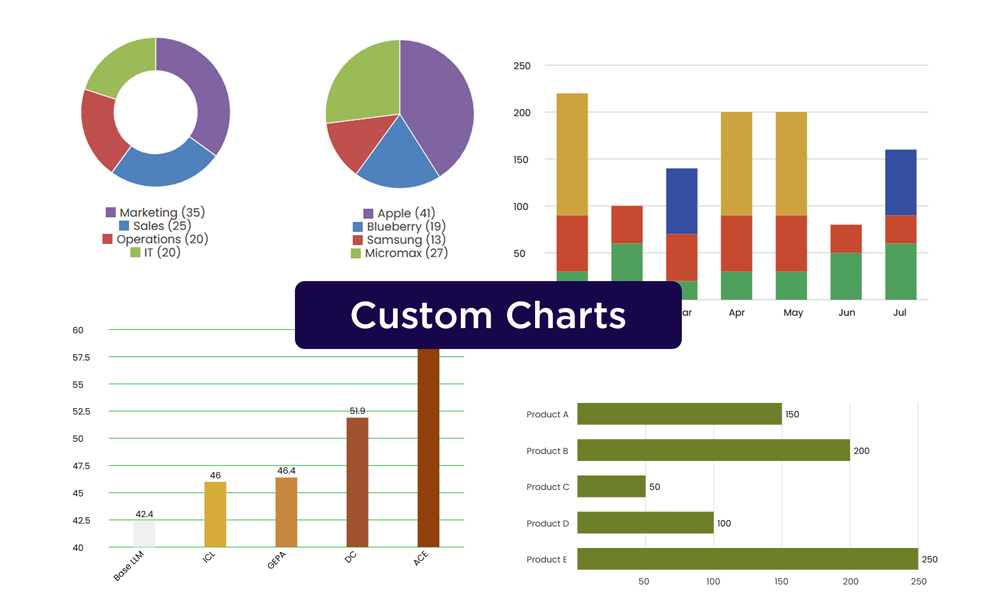
Reporting tracks workflow execution, form answers, and client progress. Pulls data from logs, rules, and form submissions. Helps identify errors in the workflows easily.
Reports are scoped by brand and user roles. Used for auditing, analytics, and compliance tracking. Error logs support debugging and optimization.
Enables visibility into process performance. Custom reports can be built from stored data. Supports strategic decision-making and performance metrics. Improves operational transparency across teams.
Handling personalisation/
Managing brands
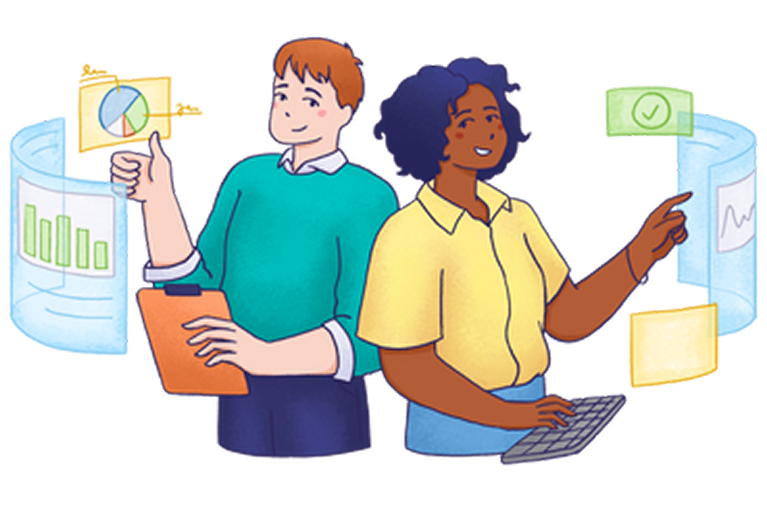
Brands have their own workflows, forms, rules, and templates. Supports multi-brands setup for businesses or large organizations.
Users can access brands according to their roles/permissions. PDFs and communications can be brand-specific. Forms and workflows are tailored per brand needs.
Clients are uniquely associated with a single brand which improves personalization and brand consistency and also enables scalable, secure brand management.
Collaboration Workflows
These workflows involve multiple roles or users. Steps can be assigned to different team members. Useful for HR, legal, or approval-based processes.
Permissions control who sees or edits each step. Supports sequential or parallel task execution. Data is passed securely between users in a flow. Promotes teamwork within structured automation.
Logged actions enable accountability and transparency. Improves efficiency in multi-user scenarios. Enables real-time, role-based collaboration.
SAML & SSO
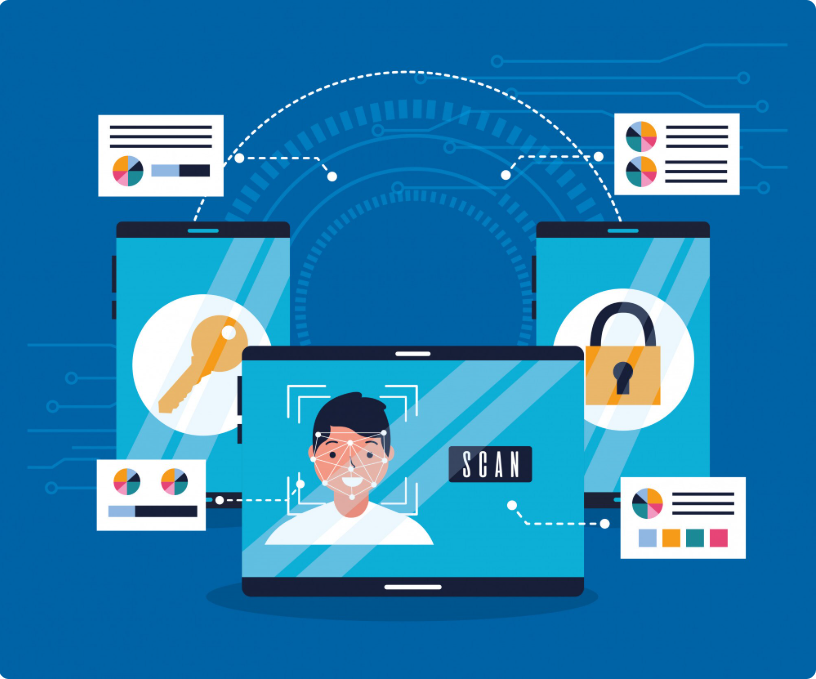
The platform supports enterprise-grade authentication. SAML and SSO allow login with corporate credentials. Integrated with AWS Cognito for secure access.
Simplifies user management for large organizations. Reduces friction by eliminating multiple logins. Access is still scoped by role and user permissions.
Improves security through central identity providers. Supports onboarding of external or internal users. Ideal for compliance-focused environments. Enhances user experience and data protection.
AI
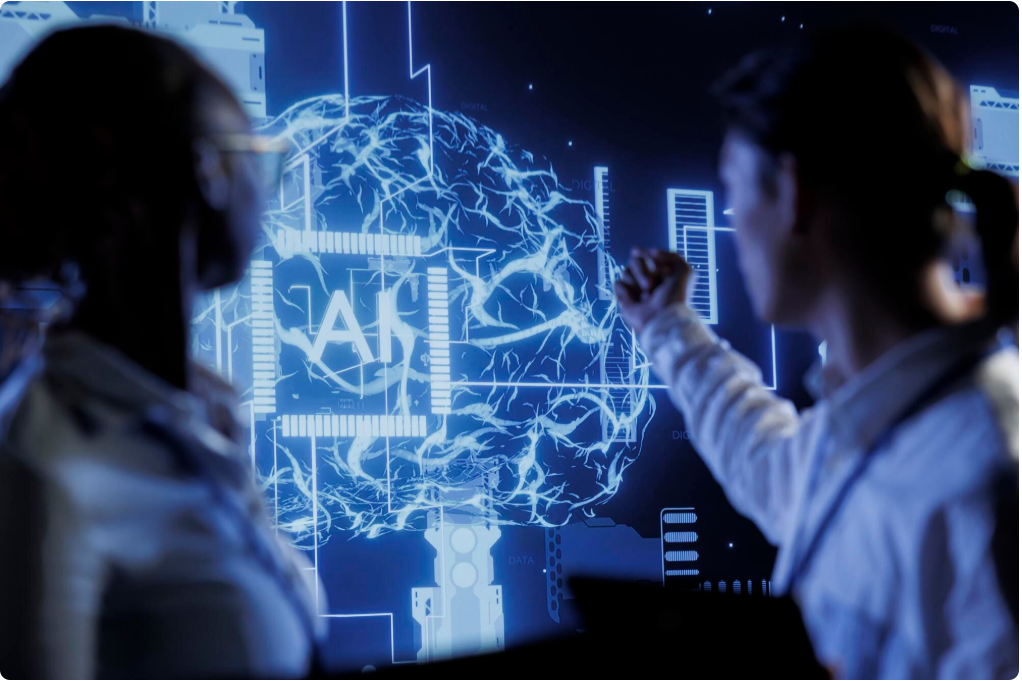
AI in NCampaign.ai enhances automation, decision-making, and user experience. It supports the auto-generation of workflows, rules, and forms based on client responses.
AI analyzes client responses and workflow outcomes to suggest logic paths. Reduces manual configuration time and ensures smarter defaults. Improves personalization by adapting processes based on client behavior. Can recommend the next best action within a workflow dynamically.
Lays the foundation for predictive analytics and intelligent reporting. Supports scaling across brands with minimal manual setup. Helps non-technical users build logic-driven processes easily. AI makes the platform more adaptive, efficient, and future-ready.
Ready to see what we can do for you?
Book a call with us to explore how NCampaign can support your digital transformation journey
Get a free demoNCampaign.ai, Fountain Court, 2 Victoria Square, Victoria St, St Albans AL1 3TF
Copyright © 2026 Nipuna Solutions. All Rights Reserved.

